Why Professional Voiceover Services Elevate Your Next Project
I have spent years working in audio post production, and one thing I have learned is that voiceover is the soul of almost every piece of media. Whether it is a commercial, a trailer, or a long-form narrative, the voice that carries your message shapes how the audience feels. Getting that right is not just about finding someone with a nice voice. It requires a deep understanding of performance, technology, and the post-production pipeline. That is where professional voiceover services make all the difference.
In Los Angeles, where I have done most of my work, the competition is fierce. Every studio promises quality, but the gap between amateur and professional work is vast. A voice actor might have a great demo reel, but the final product depends on how the session is run, how the audio is captured, and how it integrates with sound design, music, and mixing. A recording studio that specializes in these services brings more than a microphone and a booth. They bring years of experience solving the problems that arise when a voice needs to match a picture, fit a timecode, or hit an emotional beat.
What Sets Professional Voiceover Apart
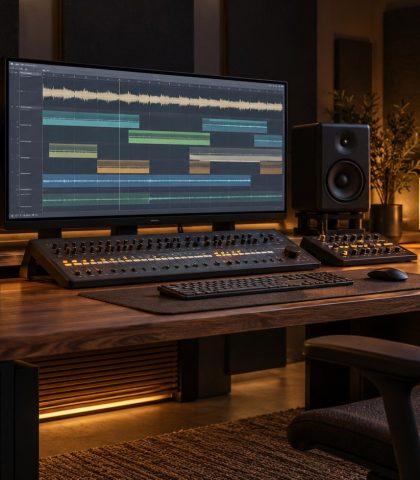
The difference starts before the actor even speaks. In a proper setup, the engineer knows the room. They understand how to place the microphone, how to treat reflections, and how to capture a performance that is clean yet alive. I have been in sessions where the actor was brilliant, but the room noise ruined every take. Professional voiceover services handle that before it becomes an issue. They use industry-standard tools like Pro Tools for recording and editing, and they know how to process the audio so it sits naturally in a mix.
There is also the matter of distance. Not every project can afford to fly a voice actor to a single location. Remote recording is now standard, and it works well when both sides know what they are doing. Technologies like Source Connect and the older ISDN lines allow directors to direct a session from across the country. But the quality of the remote recording depends on the actor's setup and the engineer's ability to troubleshoot. A trained engineer can handle latency, codec issues, and sync problems. An amateur setup often results in audio that sounds hollow or phasey, and that is nearly impossible to fix in post.
Voiceover in the Context of a Larger Project
Voiceover does not exist in a vacuum. It lands inside a track that includes music, sound effects, and sometimes Foley. The voice needs to cut through without sounding separate from the rest of the soundscape. That requires careful mixing. In a commercial, for example, the voiceover often carries the call to action. If the mix is wrong, the message gets lost. In a trailer, the voiceover builds anticipation. It needs to rise and fall with the music and the sound design. A good mixer knows how to balance these elements so the voice feels like part of the world, not an addition to it.
I have worked on projects where the voiceover was recorded in one studio, the music in another, and the sound effects came from a library. The audio post production phase is where all these pieces come together. If the voiceover was not recorded with the final mix in mind, it can cause problems. For example, if the actor is too close to the mic, the proximity effect can make the voice too boomy. If the room is too live, the reverb fights with the music. Professional voiceover services anticipate these issues because the engineers and producers understand the entire pipeline, from recording to dubbing and final delivery.
Narration, Character Voice, and ADR
Voiceover covers a wide range of styles. Narration for a documentary requires a clear, authoritative tone that can sustain attention over minutes. Character voice for an animation or a video game demands versatility and emotion. ADR, or automated dialogue replacement, is a specialized skill where an actor matches their voice to an on-screen performance. Each of these requires a different approach to recording and mixing. A session for ADR, for instance, often involves syncing the actor's delivery to the original performance on screen. The engineer must be precise with timecode and playback. The actor needs to match not just the words but the breath and the timing. It is a delicate process that benefits from experience.
Dubbing takes this a step further. In dubbing, the voiceover replaces the original language of a film or show. The new performance must match the lip movements and the emotional arc of the original. This is common in international distribution, and it requires both a skilled voice actor and a patient engineer. The recording studio must be set up to handle the back-and-forth of multiple takes. Professional voiceover services are built for this kind of work. They have the equipment, the software, and the workflow to handle complex sessions without losing quality.
Audio Branding and Podcasts
Another area where voiceover plays a key role is audio branding. A brand's sonic identity often includes a signature voice that appears across commercials, social media, and even on-hold messages. Consistency is critical here. The same voice needs to sound the same in every context. That requires careful documentation of the recording setup and the processing chain. It also requires a voice actor who can deliver the same energy and tone months apart. Professional voiceover services help maintain that consistency because they track the details that matter.
Podcasts are a growing part of the landscape. While many podcasts are recorded by the hosts themselves, higher-budget shows often use a narrator or a guest voice. The same principles apply: clean audio, good performance, and a mix that sounds polished. A podcast recorded in a professional studio will always sound more engaging than one recorded in a bedroom with a cheap mic. The difference is not just in the hardware but in the skill of the engineer who knows how to position the mic, set levels, and reduce noise.
Why Location Matters
Los Angeles remains a hub for voiceover work, and for good reason. The city has a deep pool of talent, from SAG-AFTRA members to independent voice actors who have honed their craft over decades. The studios are equipped with the latest technology, and the engineers have worked on everything from blockbuster trailers to indie commercials. If you are producing a project that will be heard by a wide audience, working with a studio in Los Angeles gives you access to that expertise. But you do not have to be in the same room. Remote recording has made it possible to work with the best talent from anywhere. The key is finding a service that understands how to run a remote session smoothly.
I have directed sessions where the actor was in New York, the director was in London, and the engineer was in Los Angeles. It worked because everyone knew the tools and the protocols. Source Connect allows for low-latency streaming, and the engineer can handle the technical side while the director focuses on performance. It is not the same as being in the same room, but it is close. The difference between a good remote session and a bad one often comes down to the engineer's experience. Professional voiceover services know how to set up the session, test the connection, and troubleshoot if something goes wrong.
The Role of the Voice Actor
At the heart of every voiceover is the voice actor. The best actors are not just people who can read a script. They are performers who understand pacing, tone, and subtext. They can take direction and adjust their delivery without losing the natural quality of their voice. In a commercial, the actor might need to sound friendly and trustworthy. In a trailer, they need to build excitement. In a video game, they need to create a character that feels real. The actor's skill is the foundation, but it is the combination of that skill with a professional recording environment that produces the best results.

I have seen talented actors struggle because the studio they were using did not have proper acoustic treatment or the engineer did not know how to capture their voice accurately. It is frustrating for everyone. The actor gives a great performance, but the audio is unusable. That is why investing in professional voiceover services is not an expense, it is a necessity. It ensures that the performance you capture is the one you can use.
Final Thoughts on Professional Voiceover Services
Whether you are producing a commercial, a trailer, a podcast, or a feature film, the voiceover is a critical component. It carries your message, sets the mood, and connects with your audience. The difference between a polished, professional result and a mediocre one often comes down to the recording environment and the expertise of the people involved. By choosing professional voiceover services, you are choosing reliability, quality, and a finished product that stands out. I have seen too many projects compromised by poor audio. It does not have to be that way. With the right approach, your voiceover can be the element that elevates everything else.
Ends · THEPROFESSIONALVOICEOVERCRAFT